Shareholders = Platform Users - Issue #608 Friday, January 30th 2026 08:25AM
Before the Focus
This Focus connects to FinTech Weekly’s latest reporting on Trump Media’s blockchain-based shareholder rewards program and the growing use of non-financial tokens by public companies.
👉 Read the news:
Trump Media Sets February 2 Record Date for DJT Shareholder Token Program
The Focus
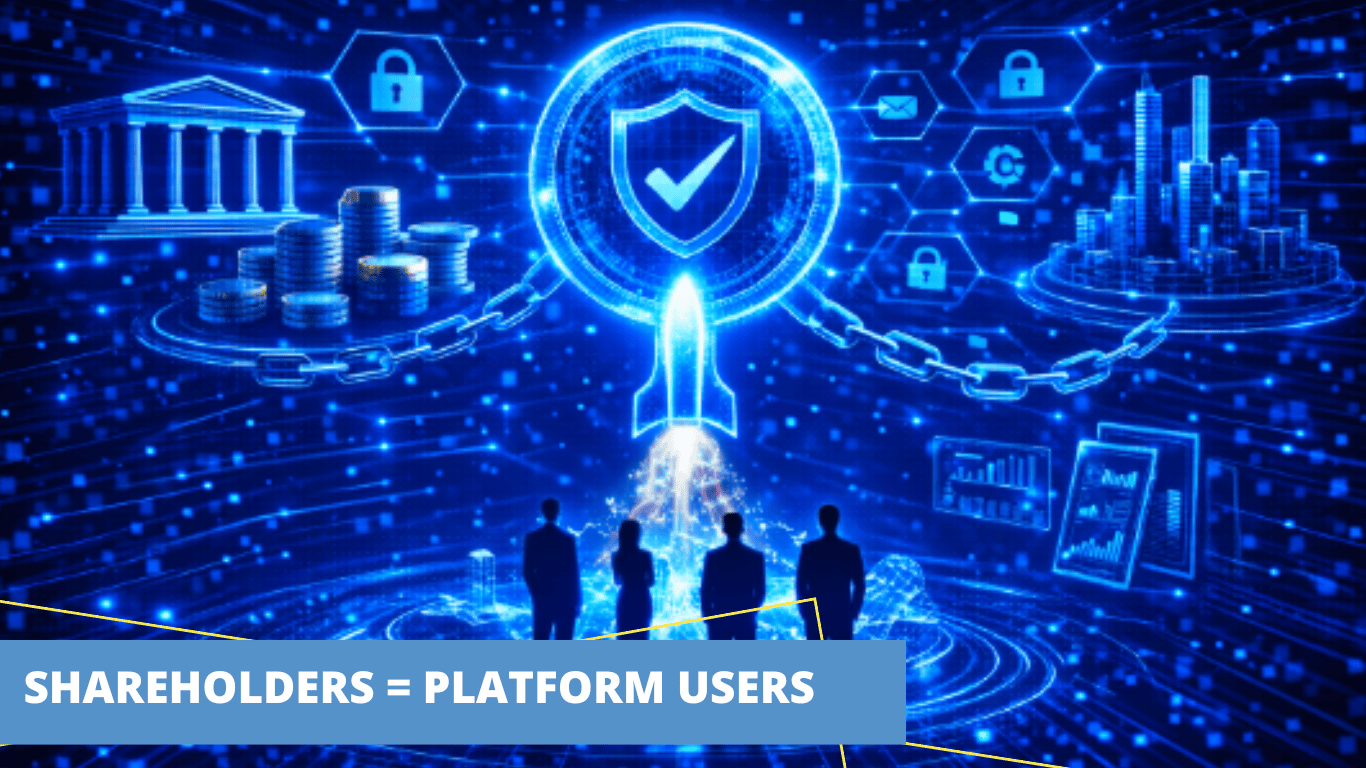
Trump Media’s decision to tie blockchain-based rewards to verified share ownership may look like a niche initiative. In reality, it reflects a broader shift in how public companies think about investor engagement, loyalty, and digital identity. The important signal is not the political profile of the company involved. It is the structural idea behind the move: using blockchain as a shareholder interface rather than a financial instrument.
This is not tokenization of equity. It is tokenization of participation.
The distinction matters. Financial tokens immediately trigger securities oversight, custody requirements, and market risk exposure. Engagement tokens operate in a different lane. They sit closer to loyalty programs, gated access systems, and digital membership models. That positioning allows companies to experiment without rewriting capital markets rules.
What makes this moment notable is the timing. Retail investor participation remains elevated compared with pre-pandemic levels. Platforms compete not only for customers but for attention, engagement, and recurring usage. Linking share ownership to platform perks turns shareholders into users and users into long-term stakeholders.
It also creates a new type of feedback loop. Instead of shareholder communication flowing through quarterly earnings calls and proxy statements, companies can interact through digital ecosystems tied directly to verified ownership. That creates faster engagement cycles and more data-driven investor relations strategies.
There is also a defensive logic at work.
Public companies have watched consumer brands build massive loyalty ecosystems through apps, rewards programs, and gated access models. Financial platforms have done the same with subscription tiers and premium features. Shareholder engagement has remained largely static by comparison. Blockchain-based rewards offer a way to modernize that layer without altering ownership rights.
The structure being tested avoids speculation by design. Non-transferable tokens prevent secondary markets. No profit participation avoids regulatory classification as securities. Custodial distribution reduces technical friction for users unfamiliar with crypto wallets. These choices signal caution rather than disruption.
At the same time, they point to a longer-term strategic question: if companies can create digital identity layers tied to ownership, what else becomes possible?
Access-controlled communities. Early product releases. Voting participation tools. Platform-based governance features. None of these require tokenized shares. They require verified digital representation of shareholders.
This is where fintech infrastructure quietly becomes central.
Your Voice Matters
Share your insights with us!
🚀 Join over 6,000 fintech professionals staying ahead of the curve.
Follow FinTech Weekly for expert insights & industry updates!
Sign up for our free newsletter!
Every week we curate significant and impactful stories from the global FinTech Communities - Get our weekly News and Event update

Recent News
Trump’s World Liberty Fi Acquires EOS Tokens Amid Rebranding to Vaulta
Rosalia Mazza

World Liberty Fi, the crypto fund backed by Trump, acquires EOS tokens ahead of the token’s rebranding to Vaulta. The... Full Article
CLARITY Act Campaign Finance: A Fintech Weekly Analysis of Who Funds the Industry Deciding Its Own Fate.
Rosalia Mazza

Fintech Weekly analysed FEC records for the senators deciding the CLARITY Act's fate. The direct contributions are the smaller story.... Full Article
U.S.–China Chip Tensions Renew Focus on AI Controls as Washington Clears Conditional Nvidia Exports
Rosalia Mazza

The U.S. is allowing conditional exports of Nvidia’s H200 chips to China with a 25% fee, sparking new political debate... Full Article
Wise Launches UK Current Account With 3.26% Variable Rate as £250 Billion Sits in Zero-Interest Accounts
Rosalia Mazza

The global payments company has formally entered the UK current account market, offering a variable rate on GBP balances and... Full Article
India's Digital Rupee Gains Momentum with Fintech Integration
Rosalia Mazza

India's Digital Rupee, introduced by the Reserve Bank of India (RBI) in December 2022, gains momentum. Cred has become the... Full Article
Explore Meetups
FinTech Meetup Europe - Tallinn

Hello Tallinn-FinTech Fans! Let’s start uniting FinTech Founders, Corporates, Developers, and VCs across Europe to share, build and collaborate. The... Read More
Hyperledger Argentina

The Hyperledger Foundation is an open source collaborative effort hosted by the Linux Foundation and created to advance cross-industry blockchain... Read More
FinTech Meetup Europe - Lisbon

Hello Lisbon-FinTech Fans! Let’s start uniting FinTech Founders, Corporates, Developers, and VCs across Europe to share, build and collaborate. The... Read More
FinTech Meetup Europe - Frankfurt

Hello Frankfurt-FinTech Fans! Let’s start uniting FinTech Founders, Corporates, Developers, and VCs across Europe to share, build and collaborate. The... Read More
Citi Accelerator TLV

Come meet like -minded people who are interested in Fintech, have a startup, or are looking for their next idea,... Read More