MiCA was designed to make stablecoins safer. One of its tools was to push reserves into the banking system: significant e-money tokens must hold at least 60% of their reserves as deposits at credit institutions (Article 58), smaller ones at least 30% (Article 54). The logic sounded conservative. Banks are regulated, deposits are liquid, so reserves in banks should be safe.
The European System of Central Banks now says the logic runs the other way. In its response to the European Commission's targeted MiCA review, filed on 22 September 2026, the ECB and the 27 national central banks ask for the fixed deposit floors to be replaced (The Crypto Times, Genfinity).
The problem with parking reserves at banks
The central banks' concern is contagion. A large deposit book tied to a single token is flighty funding for the bank that holds it. If holders redeem en masse, the issuer pulls its deposits, and stress in the token market arrives in the banking system within hours. A rule meant to protect token holders ends up importing token risk into banks.
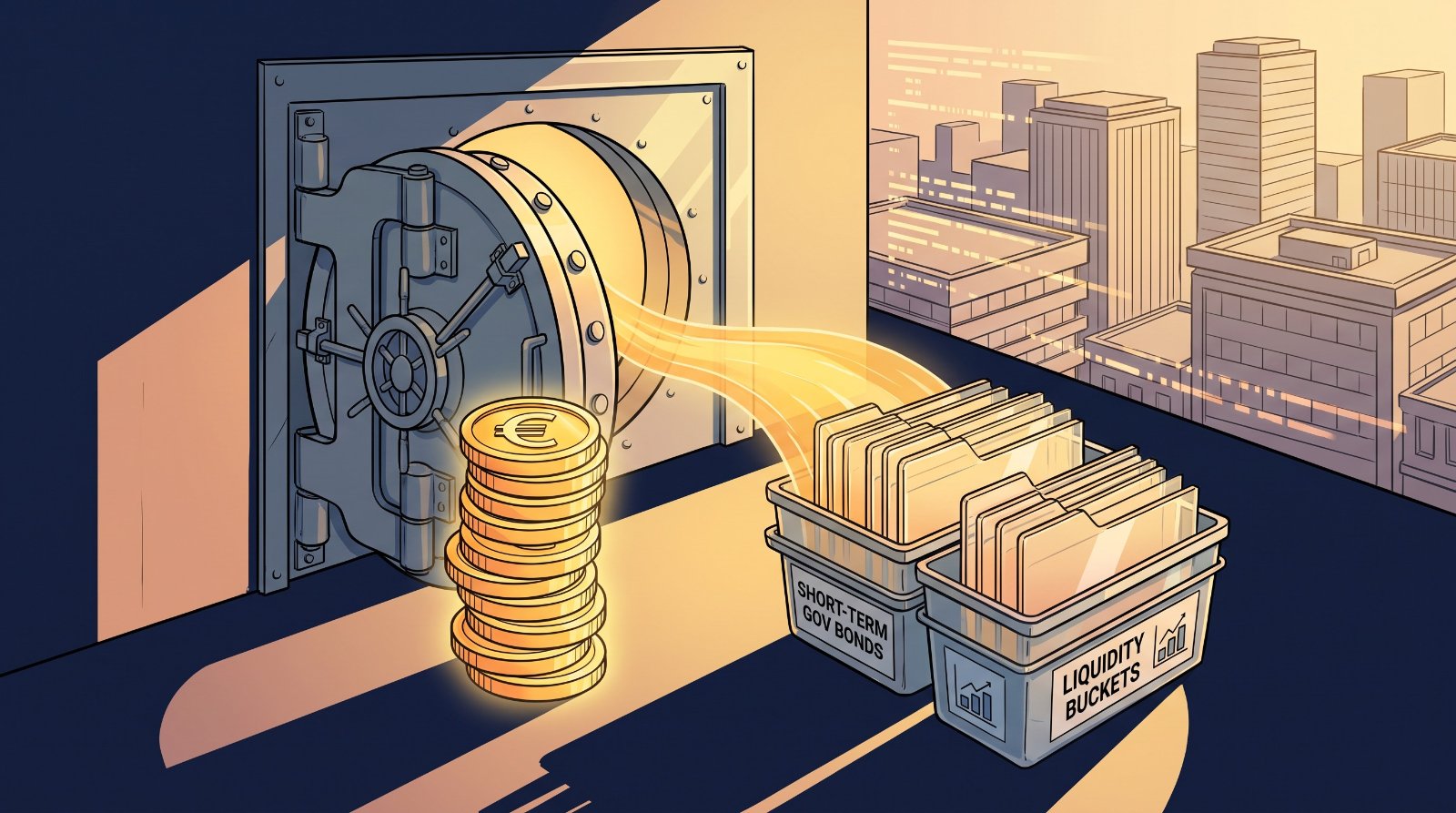
Instead of fixed percentages, the ESCB proposes liquidity buckets: minimum shares of reserves must mature within one working day and within five working days, with maturity limits and diversification rules for the rest. The draft EBA regulatory technical standards are named as the starting point for calibration.
What the central banks want to keep
The response is not a deregulation wish list. The ESCB supports keeping redemption at par (Article 49) and the ban on paying interest to holders (Article 50). That second point matters more than ever. With the ECB deposit facility rate raised to 2.50% as of 16 September, issuers earn a healthy spread on reserves while holders of euro stablecoins receive nothing. The same yield question has dogged the CLARITY Act negotiations in Washington for months; Europe has simply answered it by prohibition.
Why it matters for issuers and banks
- Issuers such as Circle (EURC), Revolut (EURR), CACEIS (EURXT) and the bank consortium behind Qivalis would gain more freedom to hold short-dated government paper instead of concentrated bank deposits.
- Banks that planned to use stablecoin reserves as cheap funding should read this as a warning: the Eurosystem does not want that funding to exist in size.
- Timing. The consultation closes on 30 September 2026. Any change would require amending MiCA, so issuers should not expect relief before 2027.
The filing came one day after the ECB launched Pontes for wholesale settlement in central bank money. Read together, the two moves describe a consistent line: private stablecoins are welcome, but they should be neither a funding source for banks nor the default cash of Europe's tokenised markets.