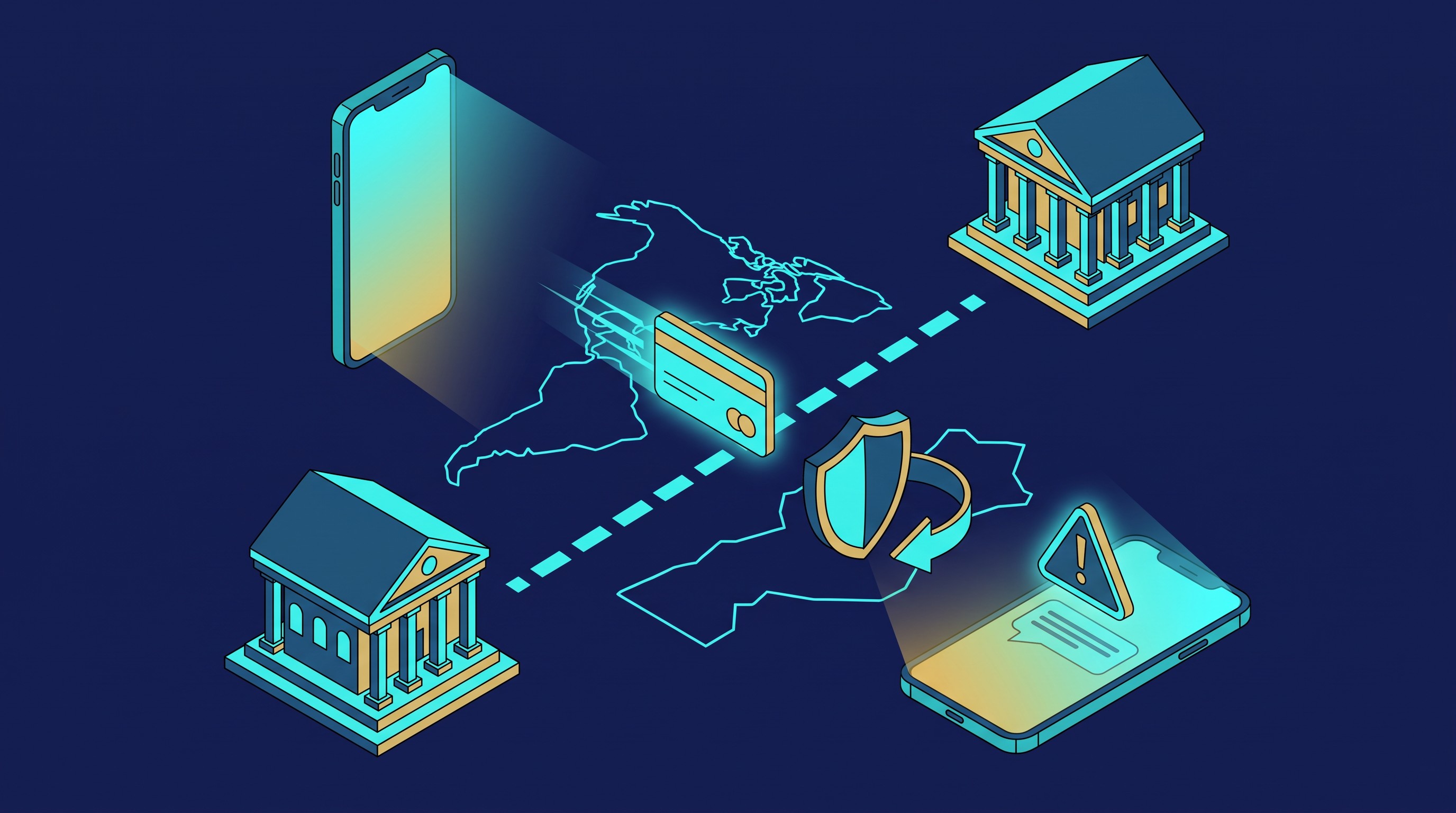
Most people do not think about correspondent banking when they send money abroad. They see a transfer form, an exchange rate and a delivery estimate. Behind the transaction, however, banks may still rely on accounts and intermediaries in other countries to move funds and settle obligations.
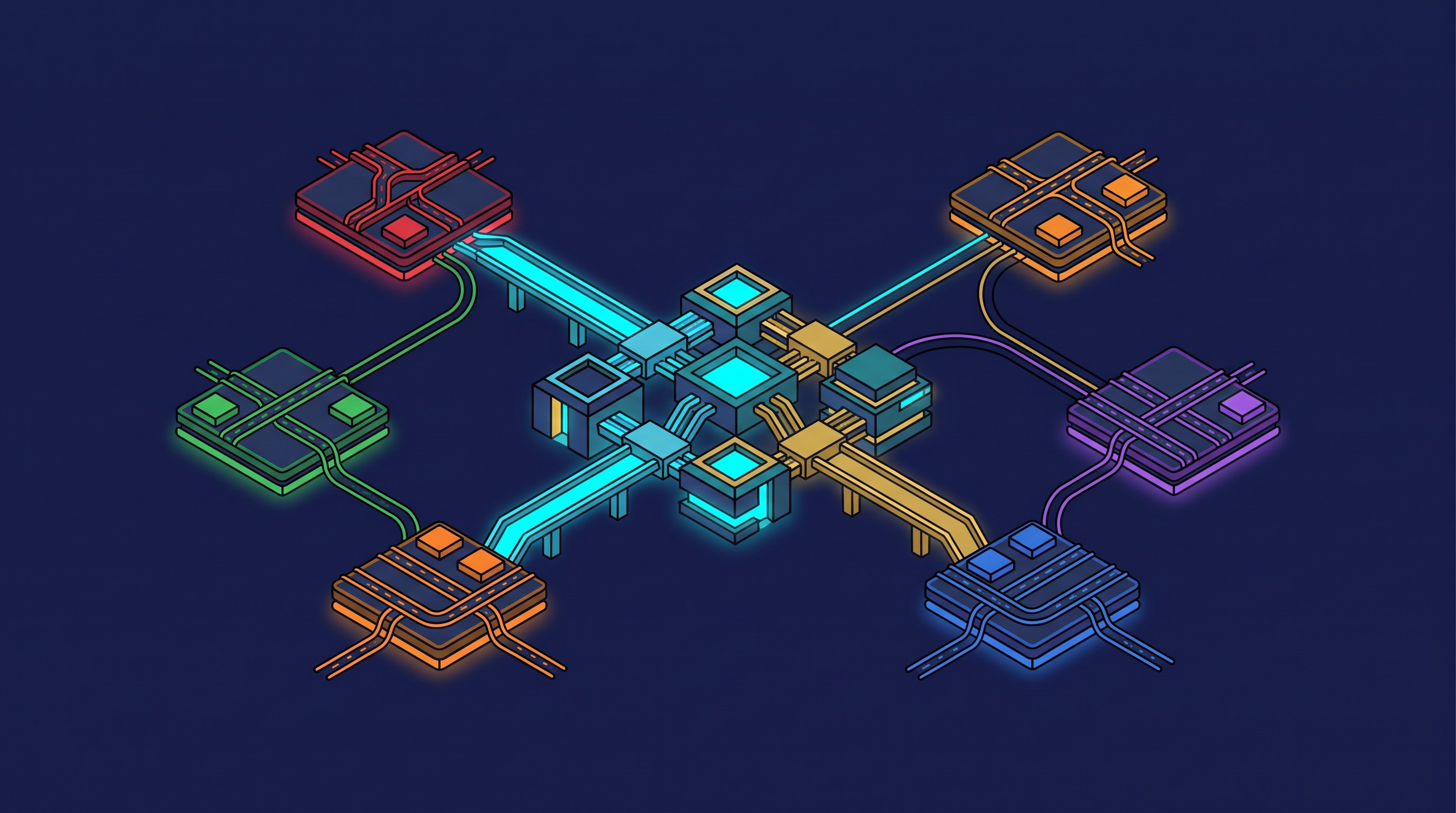
Fast payment systems offer another possible route. Instead of building one global network, countries can connect their domestic systems so that participating providers can send payments across borders.
That idea is increasingly attractive. But linking systems is not the same as making them interchangeable. The technical connection is only the beginning.
Connecting domestic rails
A fast payment system is generally built around domestic institutions, currency and rules. Interlinking allows providers in separate jurisdictions to transact without every participant joining the same system or relying on the same intermediary.
The Committee on Payments and Market Infrastructures says these arrangements can potentially improve the speed, cost, transparency and accessibility of cross-border payments. It also emphasises that governance and oversight are challenging because the systems operate across jurisdictions and may involve different currencies.
Examples show what these connections can look like. Singapore’s PayNow and Thailand’s PromptPay were linked in April 2021, allowing customers of participating banks to transfer funds between the two countries using mobile numbers.
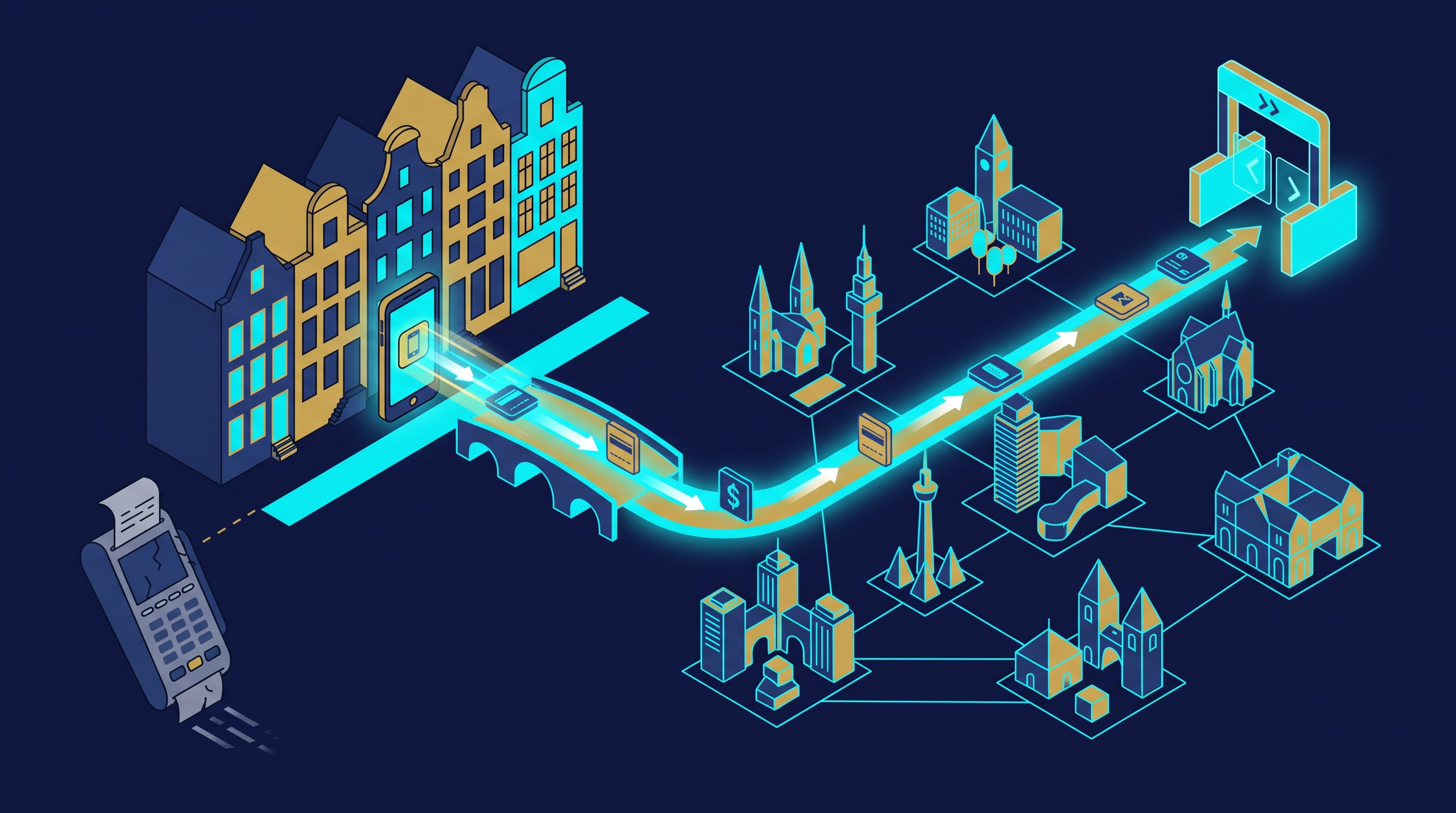
In February 2023, Singapore’s PayNow and India’s UPI were linked for real-time retail payments and remittances. Customers can use a mobile number, a UPI ID or a Virtual Payment Address, depending on the participating service.
These corridors are concrete steps, not proof that cross-border payments have been solved. They serve particular participants and use cases, and depend on the rules and technical arrangements agreed by the systems involved.
The agreements beneath the connection
A payment link needs answers to questions that users may never see.
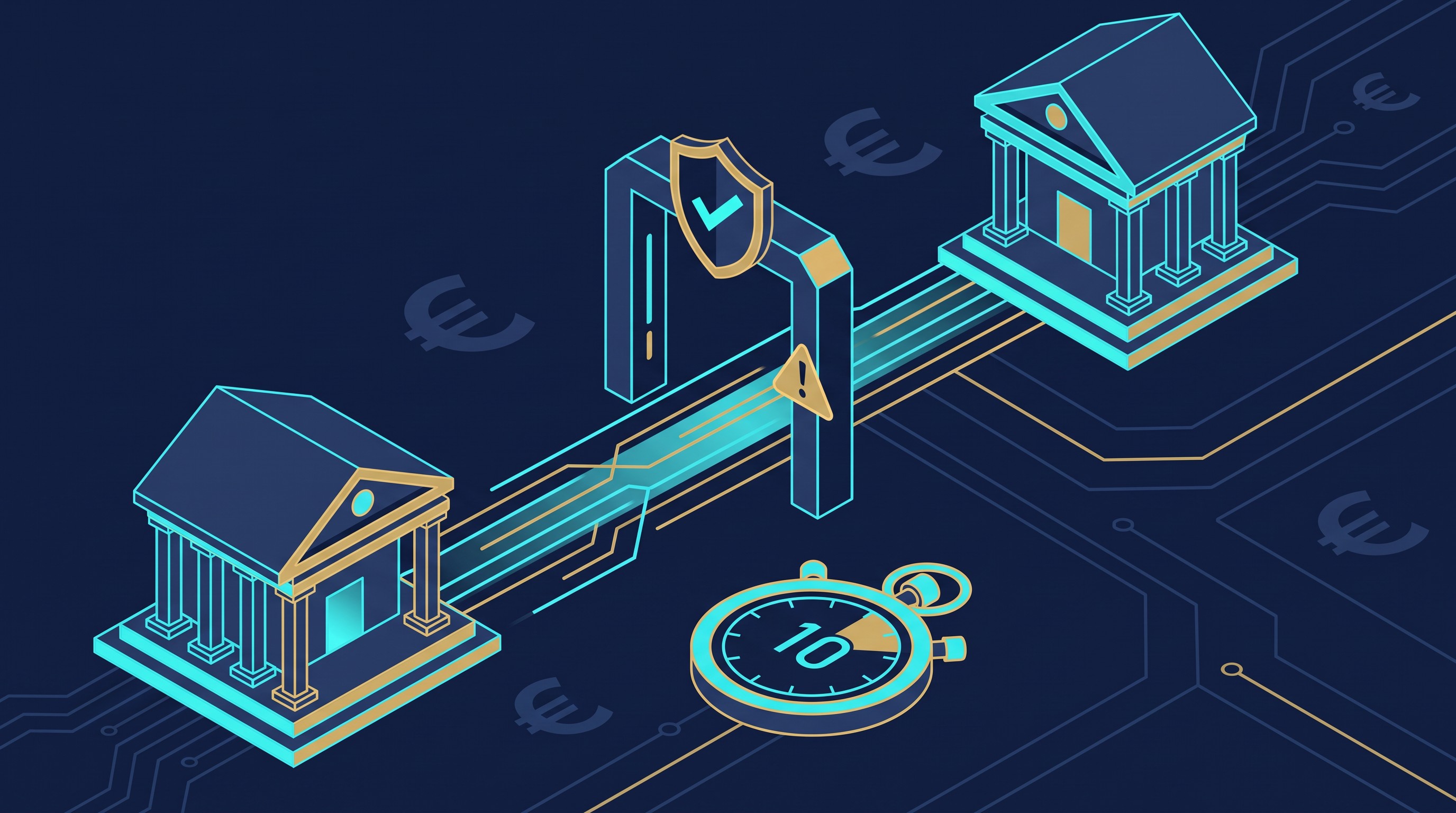
How are currencies converted, and how is the exchange rate presented? Which providers can participate? What information must accompany a payment? How are fraud reports handled? What happens when a transfer goes to the wrong account? Which authority oversees the connection, and how do the relevant legal rules interact?
These decisions form part of the payment service itself. A connection can exchange messages while leaving uncertainty about liability, refunds or customer support.
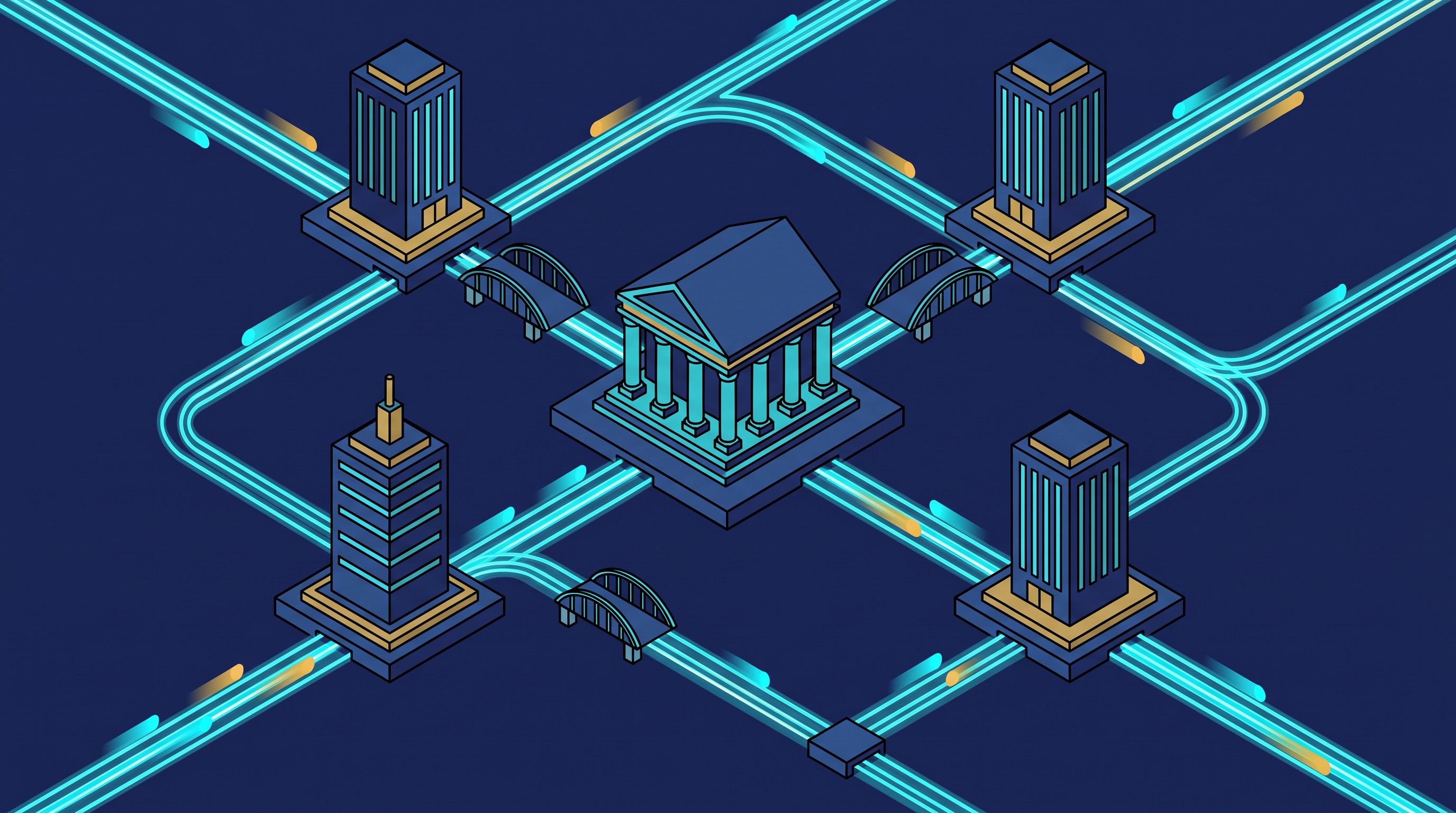
Bilateral links can be relatively focused, but each new corridor requires agreements on access, currency conversion, operations and dispute handling. A multilateral model may offer broader reach while requiring more complex rules for participation, oversight and settlement.
The practical test is therefore not the number of announced links. It is whether customers can use them reliably, whether pricing is transparent and whether errors can be resolved across borders.
Nexus and Europe
Nexus Global Payments is designed as a multilateral alternative to negotiating every corridor separately. It was established in 2025 by the central banks of India, Malaysia, the Philippines, Singapore and Thailand. In February 2026, a joint venture between Malaysia’s PayNet and Singapore’s NETS was appointed as the technical operator. Indonesia joined as a full member in February 2026, and the network is targeting an initial go-live in 2027.
The model could provide broader reach than a series of separate bilateral links. It also concentrates difficult questions about access, legal responsibility, foreign exchange, fraud controls and oversight in a shared operating framework.
The Eurosystem is working on connections between TIPS and payment systems beyond Europe, but the projects are at different stages. The link with India’s UPI is furthest along: it is in its realisation phase, and the ECB’s June 2026 status update planned a pilot for the first half of 2027.
A connection to Nexus is still being explored, while Nexus itself is not yet live and is targeting its first go-live in 2027. Closer to home, the Eurosystem and the Swiss National Bank are exploring a bilateral connection between TIPS and Switzerland’s SIC Instant Payments system. That exploration phase began in September 2025 and runs through 2026.
The distinctions matter. An announced partnership, an exploratory phase, a feasibility assessment, a realisation phase and a live service are different stages of development. Treating them as equivalent can make the global network appear more complete than it is.
Not one route to the future
Interlinking is one approach among several. Correspondent banking remains part of cross-border payments, while card networks and other private providers offer their own international services. Newer forms of digital settlement may also compete with, complement or connect to existing systems.
There is no guarantee that every national payment system will link directly to every other one. A web of bilateral connections could create complexity of its own. Shared platforms or multilateral arrangements may reduce some of that repetition, but they bring their own governance questions.
The practical test is whether the connections make payments meaningfully more affordable, predictable and transparent for the people and businesses using them.
What to watch
Three developments will show whether interlinking is moving beyond announcements.
The planned TIPS-UPI pilot in the first half of 2027 will test whether a European settlement platform and India’s UPI can move from legal and technical preparation to a functioning cross-border connection.
Nexus is also targeting a first go-live in 2027. Its progress will show whether a multilateral model can provide wider reach without creating an unmanageable governance structure.
The ECB’s decision on a possible TIPS-Nexus connection will be another test. As of the June 2026 status update, the Nexus exploration phase was still under way and implementation had not begun.
Governance is the hard part
Cross-border links bring public authorities and private institutions into a shared operating environment. Their responsibilities have to be clear enough that providers can manage risks and customers know where to turn.
That means defining the roles of system owners, technical operators, participants and authorities. It also means agreeing on how legal claims, operational failures, fraud reports and customer complaints move between institutions.
Without that clarity, an apparently seamless payment can conceal a fragmented chain of responsibility.
The future may be a network of national and regional systems rather than a single global rail. But connectivity is not the same as integration. The real work is agreeing on the rules, protections and responsibilities that make a link useful after the first transaction goes through.
This article was researched and written with AI assistance for FinTech Weekly. All facts are linked to their sources in the text.