Magazine · Deep dives · Since 2014
FinTech Weekly Magazine
Independent long-form journalism for the people building Europe's financial future — published as focused issues, enduring dossiers and original data.
Current cover story
Everything is agreed. Almost nothing applies.
Europe and the US spent 2026 writing fintech's new rulebook. This issue sorts it into three rooms: in force, agreed but waiting, and stuck.


 The Waiting Room - FTW Clarity Circle
The archive
Issues & editions
Each issue is a tightly edited dossier: reporting, data and independent voices around one consequential shift.
The Market Priced It In - FTW Clarity Circle
Open issue
The Market Breathed Out - FTW Clarity Circle
Open issue
Africa Is Building - FTW Clarity Circle
Open issue
The Numbers Fell - FTW Clarity Circle
Open issue
Deep dives
Reporting with room to think
Long-form analysis for the systems, strategies and people remaking European finance.

Banks Spent a Decade Building Apps. Now the Fight for the Customer ...
RCS is turning the humble text message into a verified, app-like channel — and banks ar...
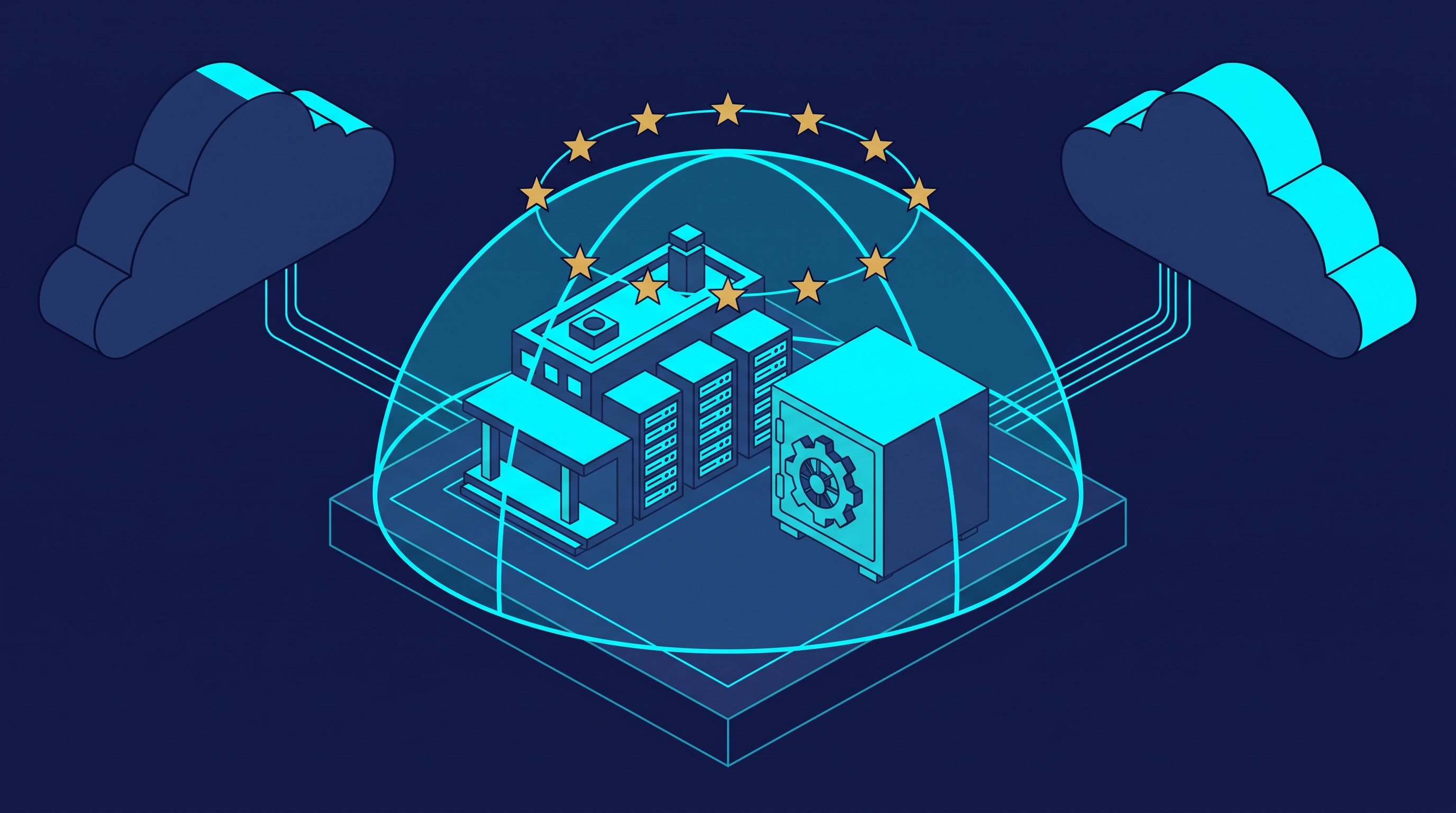
Europe's Fintechs Talk About Sovereignty. Most of Them Still Run on...
DORA, the Data Act, a proposed Cloud and AI Development Act, Wero and the digital euro ...
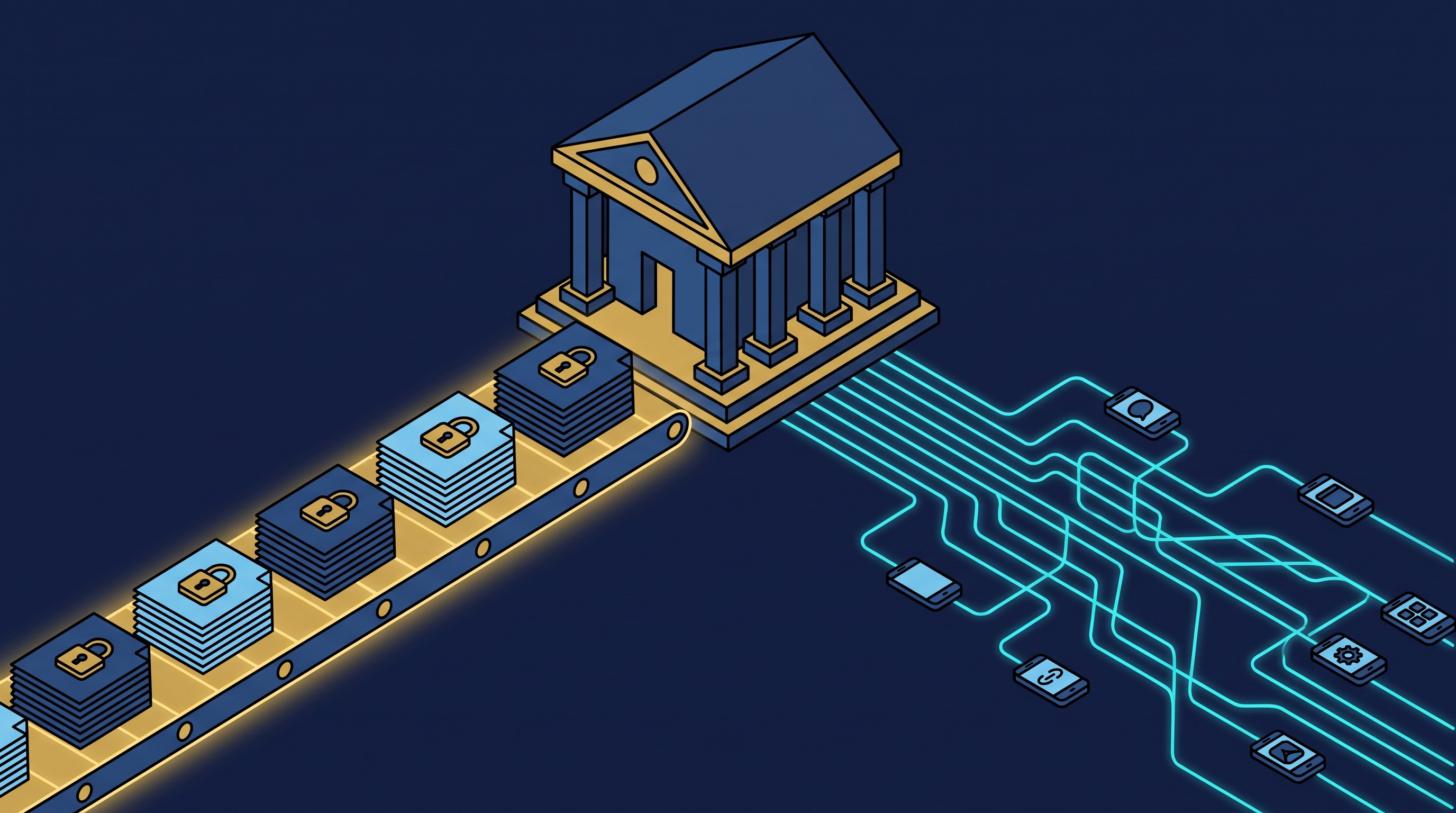
EBICS vs. PSD2: Europe Built Two Bank Interfaces. They Were Never M...
Open banking was supposed to make old bank channels obsolete. Eight years after PSD2, c...

Top 5 Crypto Wallets to Buy Your First Bitcoin
Discover the top 5 crypto wallets for beginners in 2026, designed for easy Bitcoin purc...

BlackRock Says AI Agents Will Run on Stablecoins. The Agents Have N...
BlackRock's new paper on the "machine-native economy" argues that autonomous AI agents ...
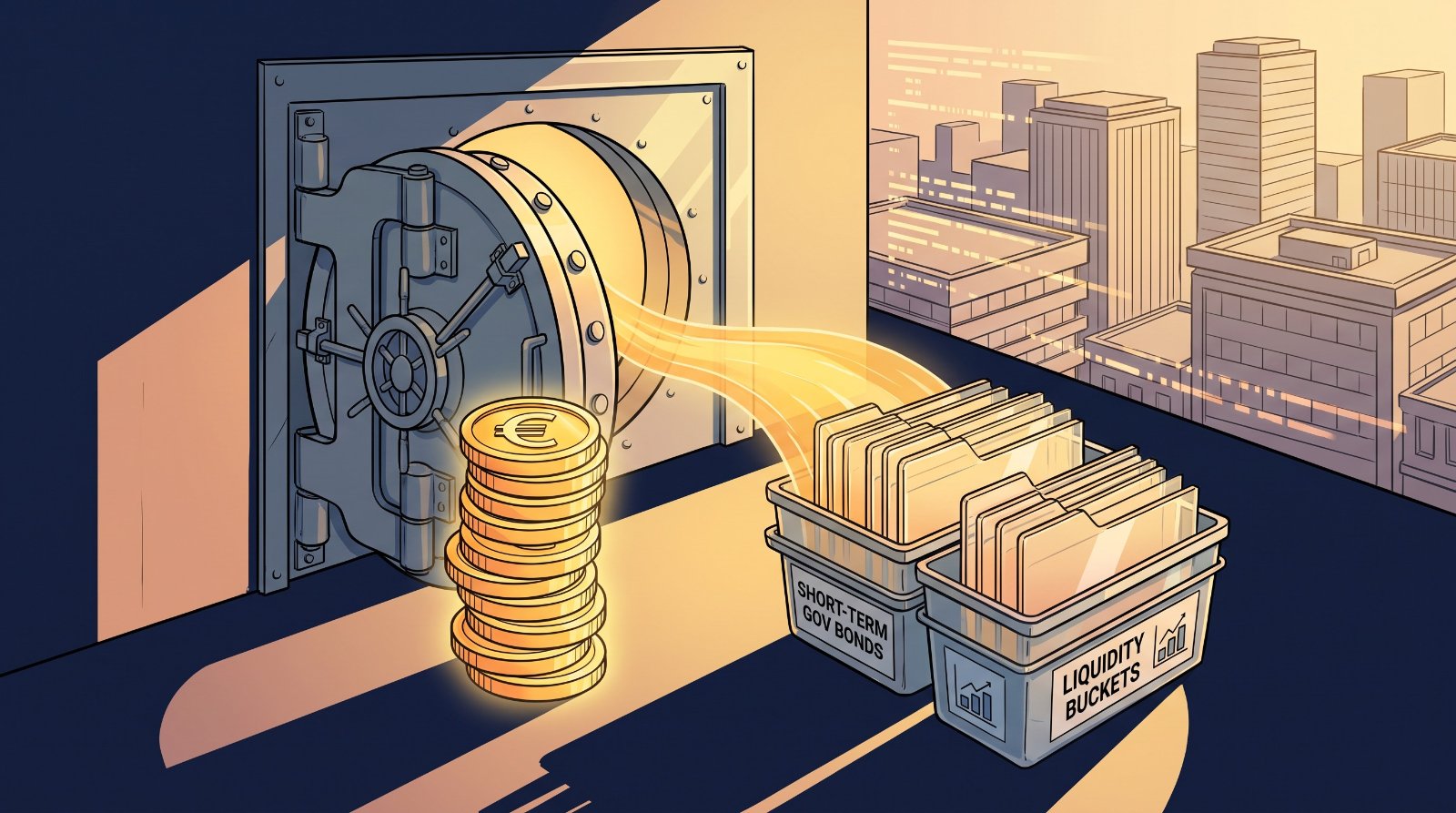
Europe's Central Banks Want Stablecoin Reserves Out of Bank Deposit...
In their response to the Commission's MiCA review, the ECB and the EU's national centra...

The ECB Just Answered Tokenisation's Hardest Question: What Do You ...
With Pontes, live since 21 September, banks can settle tokenised securities in central ...

Shaping the Future of Finance: A New Age of Effortless Borrowing
Digital lending is transforming borrowing through online applications, AI underwriting,...

Crypto Headwinds in 2026: Balancing Decentralized Sovereignty with ...
Crypto regulation is moving from enforcement theatre to infrastructure design — but the...

As The World Is Tokenizing Washington Is Running Out of Time to Wri...
The payment rails connecting traditional finance to on-chain assets are already operati...

Why Crypto’s Regulatory Gap Is Now an Institutional Problem
Regulatory clarity finally arrived for stablecoins. But the EU and US solved the proble...

Why Venmo Gift Cards Help People Without Credit Cards
Venmo gift cards offer a prepaid way to use digital payments without a credit card. Lea...

After Meta and YouTube, Who's the Next Addiction Defendant? Crypto ...
Crypto brokers, leveraged trading platforms, and prediction markets are coming under gr...

DeFi Is Finally Entering Its Capital Markets Era
Over $12 billion in DeFi liquidity sits idle. Justin Havins argues the industry's TVL o...

Why Merchant Cash Advances Aren’t Loans and Why That Distinction Ma...
Learn why merchant cash advances are not classified as loans and how that distinction i...

The Hidden Power of Micro-Savings
Micro-savings turn small, consistent actions into meaningful financial buffers. Learn h...

SWIFT’s Blockchain Will Transform a 50-Year-Old Global Banking Syst...
SWIFT's blockchain shared ledger hits MVP this year. What the new tech stack means for ...

How Payments Infrastructure Must Evolve for Agentic Commerce
AI agents are initiating purchases autonomously. Ruston Miles explains why payment infr...

Rethinking Token Value: From Subsidized Supply to Sustainable Accrual
Most blockchain tokens are inflationary and disconnected from real usage. Here's why su...

6 Best Digital Payment Platforms for Utility Companies
Discover six leading digital payment platforms for utility companies, covering features...

The Numbers Are In. The Banks' Case for a Yield Ban Just Fell Apart.
A White House report found banning stablecoin yield would add just 0.02% to bank lendin...

From Locked Liquidity to Working Capital
Billions in Bitcoin and stablecoins sit idle while markets tighten. Julian Mezger makes...

Cybersecurity for Fintech Companies Working Remotely
Remote work expanded the attack surface for fintech companies. Zachary Amos outlines th...

Beyond Speed: How Automated Settlement Technologies Improve Complia...
Explore how automated settlement technologies improve compliance, transparency, and eff...

Digital credit score and default correlation | Research
Analysis of 6M credit applications shows how digital credit scores predict defaults in ...
Browse by theme
Follow your lens
Build a reading list around the markets and technologies that matter to your work.
FAQ
Good questions. Clear answers.
More about our newsroom, the briefing, and working with FinTech Weekly.
What is FinTech Weekly?
A curated news platform and newsletter covering financial technology, digital banking, blockchain, cryptocurrency, and AI in finance.
Who reads FinTech Weekly?
Fintech executives, investors, startup founders, financial analysts, and developers across Europe, North America, and Asia.
How often is it published?
The newsletter goes out weekly, with occasional special editions, and the news feed is updated throughout the week.
Is FinTech Weekly free?
Yes — our newsletter and all news content are completely free. We also offer advertising for businesses.
How is sponsored content labeled?
Every paid contribution carries a permanent “Sponsored” label above the headline and is marked up in structured data, so it is always clearly distinguishable from editorial coverage.
How can I advertise or partner with you?
We offer newsletter placements, branded articles, and partnerships. See the advertising page for available formats and reach.